Pages

Subscribe:
Showing posts with label Cancer. Show all posts

Monday, June 25, 2012

Important study on cervical cancer

Today we tell about an important study made by the Catalan Institute of Oncology in Barcelona, ​​Spain. The agency analyzed 10 000 500 cases of people who should be operated in 38 countries because of suffering from cervical cancer between 1945 and 2005. As a result the Institute could determine what viruses are the cause of this disease.


The results show that 90% of cases of cervical cancer is caused by human papillomavirus (HPV). There are different variations of this virus, some of them more likely to cause this cancer. According to the study, the virus types 16 and HPV 18 have been the generators of the disease in 70% of cases.

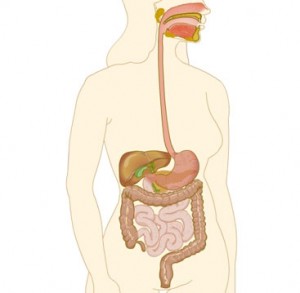
Rectal cancer


Rectal cancer is common and feared, because in most cases is synonymous with artificial anus. However, considerable progress has been made at the surgery to keep the calendar year, removing only the diseased glands.

Tips
If we notice that we have blood in the anus, however slight, even if we have hemorrhoids, we realize ourselves a DRE, and colonoscopy. In any case, we recommend a colonoscopy after age 45, especially from those with a family history of colon cancer or rectal cancer.

The causes
The rectum is the terminal part of the colon. The cancer usually comes from a benign lesion called a polyp. Men are more likely to suffer, especially after age 50. In most cases, the appearance is spontaneous, but there are cases where a family history.

Saturday, June 23, 2012

Discovery of new genetic factors that cause bladder cancer

We recently talked about cervical cancer and new research that served to know what are the viruses that cause it. Today we devote an article to urinary bladder cancer, a disease which has also seen major developments in recent days.


A study conducted jointly by several organizations from different countries around the world identified three genetic factors so far unknown, that influence the occurrence of bladder cancer. In addition, through research were able to confirm six factors identified in earlier studies.

Two of these three genes identified increase the risk of uterine cancer in smokers. One is the NAT2 gene, which only increases the risk of cancer from smoking. Moreover, the researchers noted that relatives of people with this disease are more likely to get it.